The Heart of the Home: Creating a Functional and Stylish Kitchen
The kitchen is often referred to as the heart of the home. It’s a space where family and friends gather, meals are prepared, and memories are made. Whether you’re a seasoned chef or a novice home cook, having a functional and stylish kitchen is essential for creating delicious meals and enjoying time spent with loved ones. In this article, we’ll explore how to design a kitchen that is not only practical but also a reflection of your personal style.
Optimizing Space: The Key to a Functional Kitchen
A functional kitchen begins with thoughtful space optimization. The first step in designing a kitchen is to consider the flow of the room. The kitchen triangle — the optimal arrangement between the sink, stove, and refrigerator — is an essential concept to keep in mind. Placing these three elements within easy reach of one another minimizes unnecessary steps and allows for a more efficient cooking process.
For smaller kitchens, maximizing vertical space is a game-changer. Wall-mounted shelves, hanging pot racks, and cabinet organizers can help you store items without overcrowding countertops. Investing in pull-out pantry shelves or lazy Susans can help make your kitchen more organized and accessible, ensuring that every item has its place.
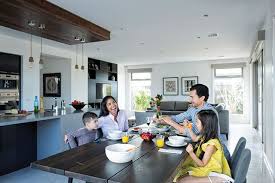
In larger kitchens, consider creating distinct areas for different tasks, such as meal prep, cooking, and cleaning. Adding an island or a breakfast bar not only provides additional counter space but also creates a social hub in the kitchen where people can gather while you cook. A spacious kitchen allows for more flexibility in design, making it easier to accommodate both functionality and style.
Choosing the Right Materials and Appliances
When designing a kitchen, selecting durable and stylish materials is essential for both aesthetics and functionality. Quartz and granite countertops are popular choices for their durability and elegance. They are resistant to scratches, stains, and heat, making them ideal for food prep and cooking. For a more eco-friendly option, recycled glass or bamboo countertops are gaining popularity due to their sustainability.
Cabinetry is another key element in kitchen design. Opt for solid wood cabinets if you want a timeless look, or consider modern finishes like matte black or two-tone cabinets for a sleek, contemporary feel. If you’re short on space, consider open shelving or glass-front cabinets to create a more airy and open feel.
Appliances are an essential part of a functional kitchen, and today’s technology offers many innovative solutions. Energy-efficient appliances, such as induction cooktops, convection ovens, and smart refrigerators, can help you save time, money, and energy. Investing in quality kitchen appliances can make meal prep and cooking much easier, while also reducing your carbon footprint.
Lighting: A Blend of Function and Ambience
Lighting plays a crucial role in the kitchen, both for practical reasons and to set the mood. Task lighting, such as under-cabinet lights, ensures you have adequate illumination while cooking and chopping. Pendant lights above an island or breakfast bar can add a stylish touch and improve visibility.
Ambient lighting is just as important for creating a warm and inviting atmosphere. Recessed lighting in the ceiling can provide an even spread of light across the room, while dimmable lights allow you to adjust the mood for different occasions, whether you’re preparing a family meal or hosting a dinner party.
Consider adding accent lighting, such as LED strips along the base of cabinets or in glass-front shelving, to highlight your favorite kitchen features and create a more dynamic visual effect.
Personalizing Your Kitchen Design
While functionality is the foundation of a great kitchen, personal style adds the finishing touches. From backsplash tiles to color schemes, the design of your kitchen should reflect your personality and taste. A bold, colorful backsplash can become the focal point of the room, while a neutral palette allows other elements, such as cabinetry and lighting, to take center stage.
Decorative elements such as plants, artwork, and stylish kitchen gadgets can make the space feel more inviting and personalized. Consider adding a touch of greenery with herbs on the windowsill or hanging plants to bring life into your kitchen. Small appliances in vibrant colors or vintage finds can also add character to the space.
The Future of the Home Kitchen
The kitchen is continuously evolving, with new trends and innovations emerging every year. Smart kitchens, for example, are becoming more popular, where appliances are connected via Wi-Fi and can be controlled remotely. Voice assistants, smart ovens, and refrigerators with built-in cameras allow you to monitor and control your kitchen from anywhere, making cooking and meal planning more convenient.
Additionally, sustainable kitchens are gaining traction, with an emphasis on energy-efficient appliances, eco-friendly materials, and zero-waste practices. With a growing awareness of environmental impact, many homeowners are opting for greener options in both their design and day-to-day cooking practices.
Conclusion: A Kitchen That Works for You
Creating a kitchen that is both functional and stylish requires thoughtful planning and attention to detail. By optimizing space, choosing the right materials and appliances, incorporating efficient lighting, and personalizing the design, you can create a kitchen that suits your lifestyle and tastes. Whether you’re cooking a quick meal or hosting a dinner party, a well-designed kitchen will not only make cooking easier but also bring joy and comfort to your home.